
WeChat ID:
seehog
CALL: 0086 15221865538
TEL: 0086 13509817053
Email: coco@seehog.com
momo@seehog.com

Your Position:Home - Beijing SeeHog News
Beijing customs clearance process flow
From:Beijing SeeHog Customs Brokerage House Import and Export logistics Company Date:2026-05-29 Hits:0
Beijing Customs Clearance Process Flow: A Practical Guide for Importers
Understanding the Beijing customs clearance process flow is essential for businesses importing goods into China’s capital. Unlike smaller ports, the Beijing customs clearance process flow involves rigorous scrutiny due to the city’s role as a hub for high-value tech, diplomatic cargo, and time-sensitive shipments. Mastering this system prevents costly demurrage and ensures regulatory compliance.
The standard Beijing customs clearance process flow begins with pre-arrival declaration via the China Customs Single Window platform. Importers must submit commercial invoices, packing lists, and bills of lading at least 24 hours before arrival. Following document review, the Beijing customs clearance process flow moves to classification and valuation, where customs officials verify HS codes and assess duties. Given Beijing’s strict oversight, misclassification—especially for electronics or restricted commodities—often triggers audits.
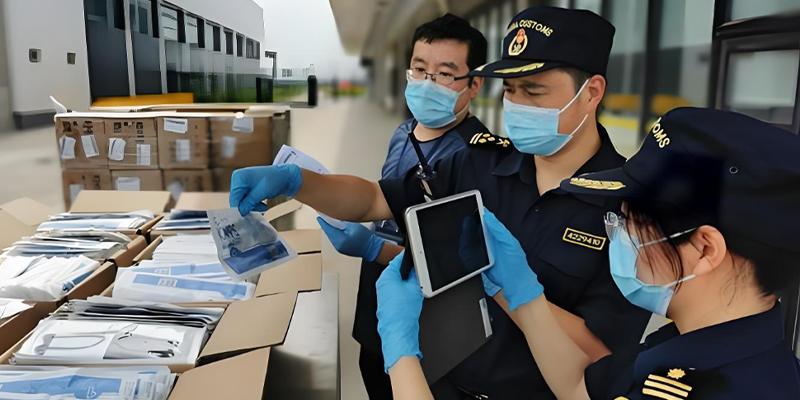
- Next, the Beijing customs clearance process flow may involve physical inspection. While random checks occur, targeted examinations are common for first-time importers or sensitive goods like food and medical devices. Upon release, businesses must complete post-clearance verification within 14 days. Delays in any stage of the Beijing customs clearance process flow can disrupt supply chains, making accuracy paramount.
To navigate the Beijing customs clearance process flow efficiently, partnering with a licensed local broker is advisable. Their expertise in regional nuances—such as free trade zone integration and expedited lanes for air cargo—can significantly reduce processing times and mitigate risks.
Email: coco@seehog.com momo@seehog.com
TEL: +86 13712788556 TEL:+86 15221865538
Website: www.beijing-custom.com
